Home/Catalog/Camera & Photo/Point & Shoot Digital Cameras/PANASONIC LUMIX FZ1000 4K Point and Shoot Camera, 16X LEICA DC Vario-ELMARIT F2.8-4.0 Lens, 21.1 Megapixels, 1 Inch High Sensitivity Sensor, DMC-FZ1000 (USA BLACK)
PANASONIC LUMIX FZ1000 4K Point and Shoot Camera, 16X LEICA DC Vario-ELMARIT F2.8-4.0 Lens, 21.1 Megapixels, 1 Inch High Sensitivity Sensor, DMC-FZ1000 (USA BLACK)
PANASONIC LUMIX FZ1000 4K Point and Shoot Camera, 16X LEICA DC Vario-ELMARIT F2.8-4.0 Lens, 21.1 Megapixels, 1 Inch High Sensitivity Sensor, DMC-FZ1000 (USA BLACK)
PANASONIC LUMIX FZ1000 4K Point and Shoot Camera, 16X LEICA DC Vario-ELMARIT F2.8-4.0 Lens, 21.1 Megapixels, 1 Inch High Sensitivity Sensor, DMC-FZ1000 (USA BLACK)
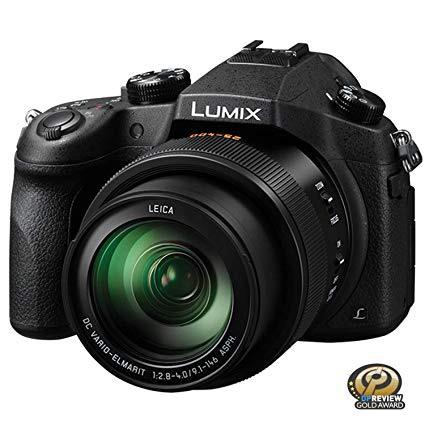
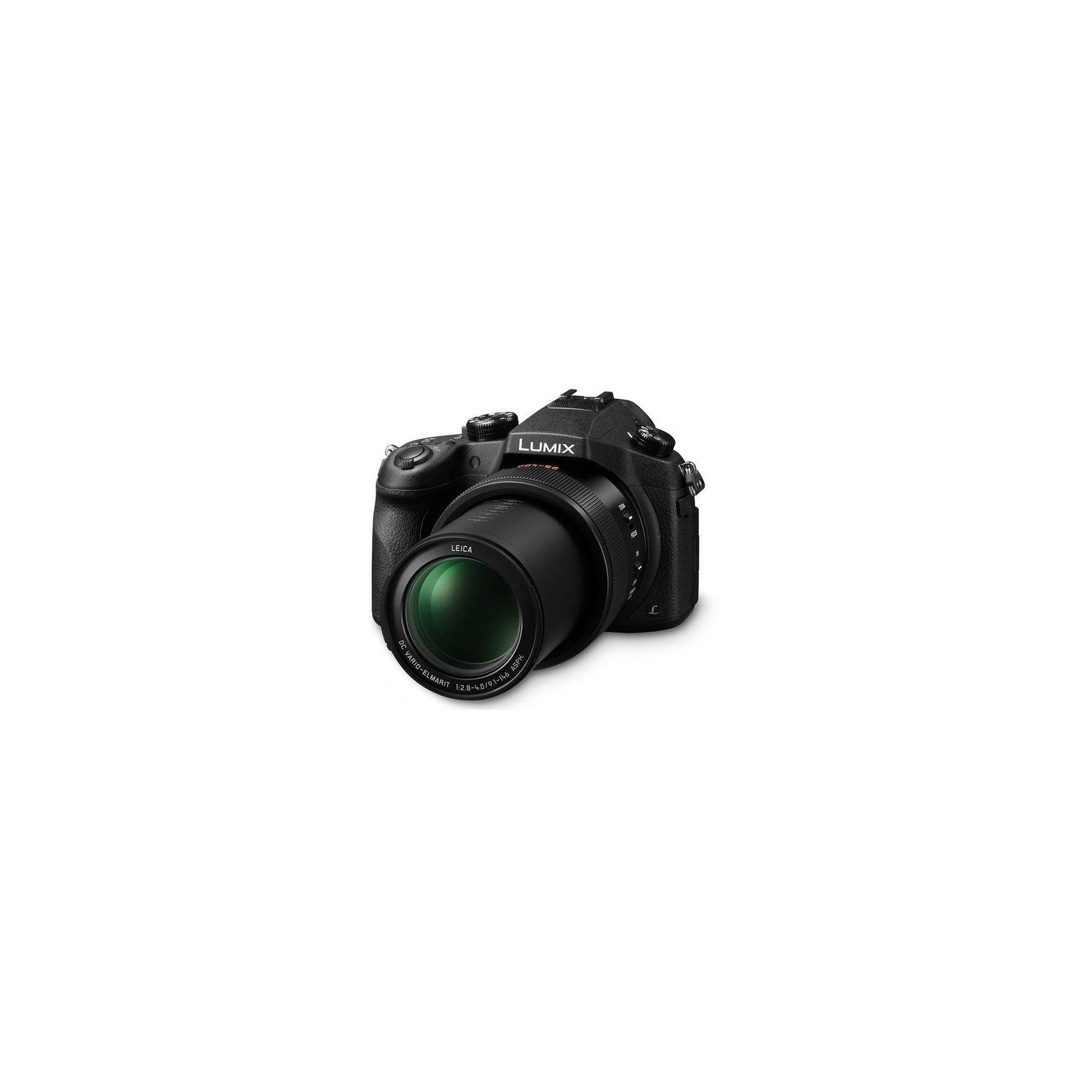
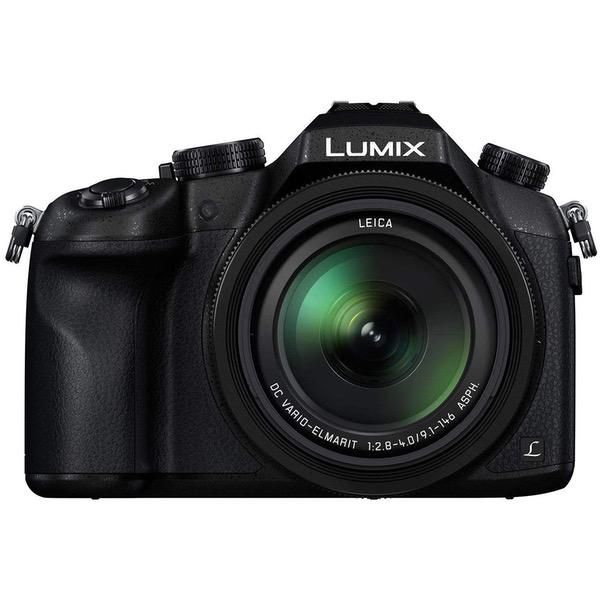
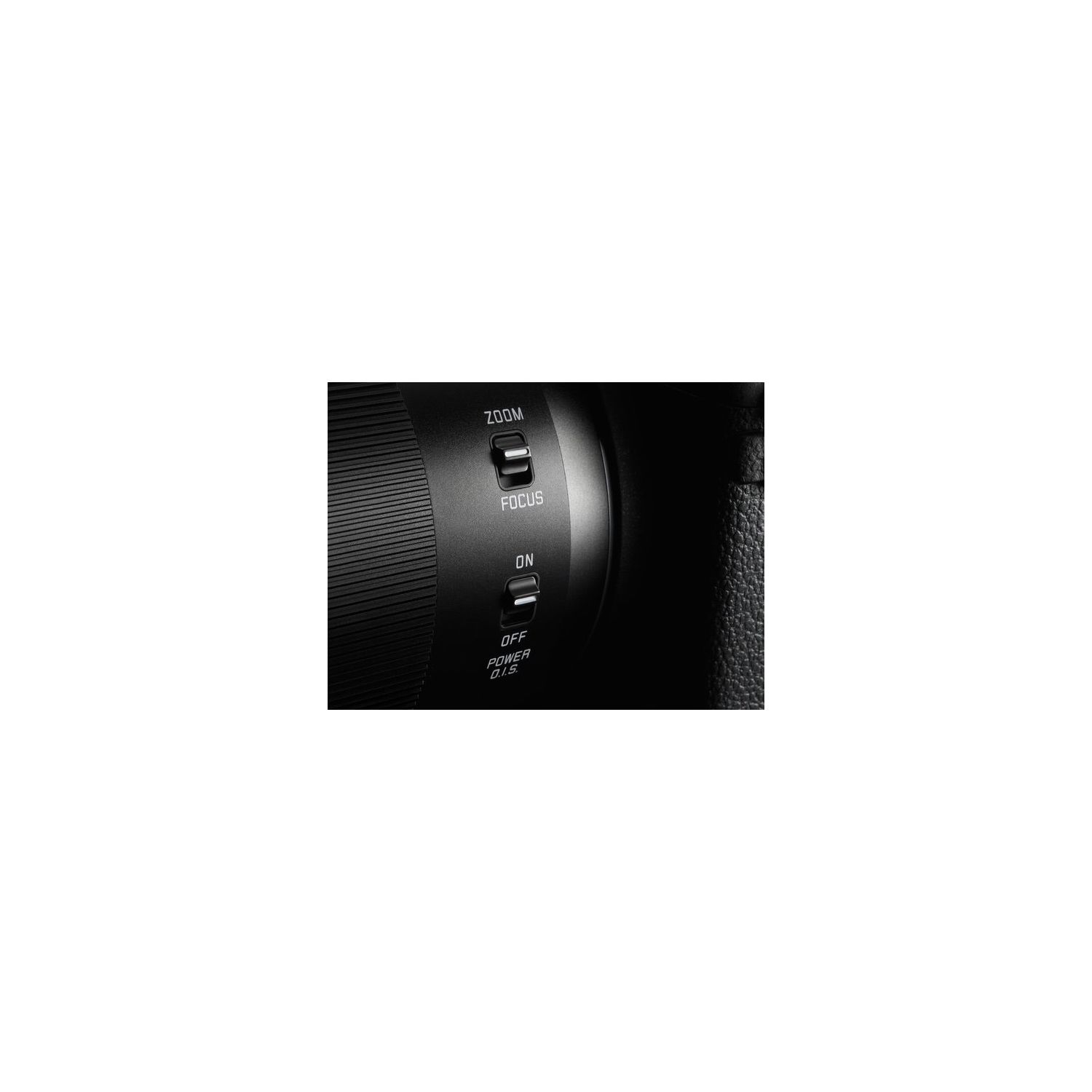
Make sure this fitsby entering your model number. 4K VIDEO & 4K PHOTO - Panasonic’s exclusive 4K PHOTO technology uses 30 frames per second in high resolution 4K Ultra HD video to extract them as photos. You’ll never miss that moment again LEICA DC VARIO-ELMARIT lens - 24x zoom (25-600mm) with full zoom range F2. 8 aperture for enhanced low light shooting meeting the stringent quality standards established by Leica HIGH IMAGE QUALITY - The 12. 1-Megapixel high sensitivity MOS sensor with the Venus engine excels in diffraction compensation, yielding images that are crisp & free from artifacts associated with small aperture settings RUGGED CAMERA DESIGN - splash proof/dustproof rugged camera design with tight seals on every joint, dial and button, so it stands up to harsh weather conditions and challenging environments 5-AXIS HYBRID OPTICAL IMAGE STABILIZER PLUS - Reduces Blur from one-handed video shooting by compensating for five types of movement. Level shot function detects horizon line & maintains it, even if the camera is tilted
I love this camera. For an idea of where Im coming from, Im a very amateur photographer. I almost always shoot in Auto, and I almost never do any processing, apart from some cropping. Ive owned a few cameras prior to this one; I had the Canon G 15, which was excellent, but I wanted more zoom. I then got the SX50 HS, which was fantastic. I loved the zoom. But I decided I wanted to do better than the small sensor of the SX50, so I bought the D3300 bundle from Best Buy over Christmas. Its a nice camera, but I hate having to switch lenses, and carry all that stuff around. Also (this might not be a big deal for a lot of people), theres no electronic level/digital horizon on the D3300, which is really frustrating for me personally. I like to go hiking, and when I had the SX50, it was very reassuring seeing that level and knowing my shots wouldnt be crooked. So I did some more research, and settled on the FZ1000. I went to the zoo, and got a lot of great, tack sharp pictures. Im very impressed with it, to the extent that Im thinking about selling the D3300. Its got pretty much everything I could want in a camera. Good sensor size, plenty of zoom, lots of controls and options, HDR, a panorama mode, a great electronic level, fast autofocus, a fully rotating LCD screen, and a nice viewfinder. The manual focus is a touch clunky, but I do appreciate the focus peaking. As an aside, I also tested the Canon G3 X briefly, and the greater zoom range was basically the only thing I liked about it. It felt crappy in the hand, didnt have a fully rotating LCD screen, etc. I didnt like it at all, especially for the money. I think the only thing I would want the FZ1000 to have is a touch more reach, for wildlife and moon shots. If they could extend it to 600 or 700mm, itd be perfect for me. But Im giving it five stars anyway because its an awesome camera for the money, and an awesome camera in general. Update, 5/16/2016: I mentioned in my original review that if the FZ1000 had a bit more reach, itd be perfect for me. Enter the Sony RX10 Mark III, which has a 24-600mm equivalent range lens. I bought it on upon its release and I took it to the Jacksonville Zoo to try it out, taking more than 500 pictures. At the end, I concluded that while it has fantastic range, the FZ1000 is superior to it in some ways. I think the autofocus of the Panasonic is faster, and I think its low light performance is superior; I had some issues in the darker reptile house, something which never was an issue with the FZ1000. I also prefer the fully articulating screen of the Panasonic, and of course its less than half the price. The range is great, but if its not absolutely critical, I still strongly recommend the FZ1000. Its a heck of a deal and I have no problems retaining the five-star rating I gave it originally.
rick
5
If you make your buying decision on image quality, you wont be disappointed in the FZ1000. I bought this to replace my existing travel camera and wanted something that was clearly an IQ upgrade. I shoot a couple of other cameras including a full frame Canon 5DM3, but for travel I wanted something more compact, without interchangeable lenses, with a reasonable amount of focal length range and a wide set of features that would appeal to a manual shooter. It also had to work with my non-TTL speedlights and radio triggers for my studio flashes. All of those things I knew I would get with the FZ1000 before I pushed the "buy" button on Amazon, and although I was impressed with the sample RAW files from other shooters, I was really only interested in how my files would hold up as I processed them. The image quality is excellent and working with the files is a pleasure. Im not going to play Mr. DXO, but Im thrilled at the sharpness from the lens. For a superzoom, it is really good. Like every other superzoom, IQ is weakest at its extremes, 25 and 400mm, but even there the images are very good. The faults that pop out are the barrel distortion at the wide end and the minor softness and chromatic aberration way out at 400mm. In between, well, it is impressive. I also like that the images display beautiful tonal gradations. I do a lot of portraiture when I travel and this is really important to me in skin tones. I photographed a political candidate in my home studio this week and grabbed a couple of shots with the FZ1000. The image white balance was more natural than the images from my 5DM3. The dynamic range is another plus and not only do the files have shadow detail, but they dont carry a lot of noise in the shadows either...a common complaint of mine with my earlier travel camera. During editing, I always do some edits at 100%. It is there that any differences between my full frame camera and the FZ1000 in IQ show. What I find fascinating is how well the FZ1000 images hold up in comparison. No, they arent quite as good, but they are still excellent and theyll easily give me 16X20 prints if not larger. The FZ1000 is a really full featured camera. But, as a manual shooter with a camera on one neck strap and a light meter hanging from another, Ill never use scene modes, digital zoom, or the other features that appeal to the social networking shooters. Heres what I use and this camera does it all: 1. Back button focusing with focus removed from shutter button (this is a deal breaker for me). 2. Manual focus for precision focusing of cityscapes, landscapes, etc. 3. Easy remote control from my tablet using the Panasonic Image App. 4. Pin point focusing (single point) so that the camera focuses on exactly what I want it to. I dont do video, so if youve read this far hoping to learn about that, Im sorry for your disappointment. The only thing about this camera that is odd for me is how light it is. It does not have that solid, heavy feel that Ive grown accustomed to over many years. It isnt flimsy...I think it will be durable, but its just different. Since its going traveling, that light weight could be a really good thing. My impression at this point is very favorable. The camera does what I want and does it the way I want it to. The images are stunning and show how much development has been done on small sensors. Highly recommended by me.... Edit: Ive been running the FZ1000 through its paces and have come across a feature called "peaking". Its a manual focusing assist for old guys like me who are on their umteenth pair of eye glasses. When you bring a subject into focus manually while using this (easy setup) the item subject becomes illuminated with a corona of light. I can now zoom out to 400mm, manually focus and then shoot with 100% certainty that my subject far away is in perfect focus. I dont know how many other manufacturers offer this in their products, but this feature is invaluable to me.
Becky (in NOLA)
5
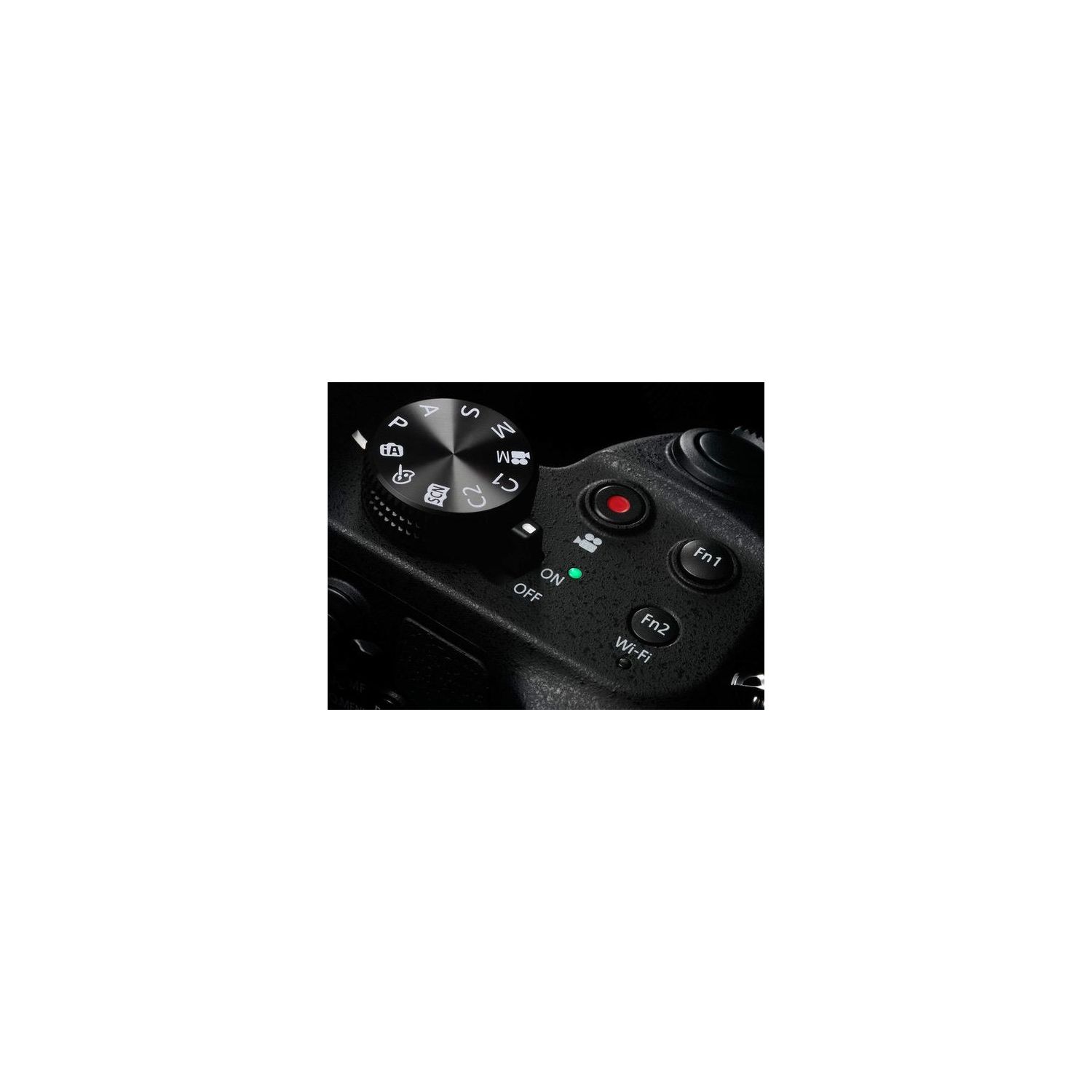
We did a lot of research before deciding to buy this camera. We have two very nice DSLR and a cybershot, a few little purse point and shoots, but I wanted a camera without the fuss of the dslr, but better than the purse cameras. The cybershot is an early one, its okay but tends to wash out on really bright days. If youre looking for a review that sounds like a technician from Cnet wrote it, dont read this. Honestly, Raw, change this, fix that, no.. I wanted something I can point, zoom, get up close, that takes a good picture or video. Our needs- after analyzing our needs we realized about 75-80% of our shots are nature, beach, outside settings. Mostly daylight. We therefore werent terribly worried about low light, we did want something that would do well inside, but outside was more important. It had to be fast. I want to shoot a dolphin jumping from the water, a bird flying over head, a butterfly spreading its wings, Izzy doing cute stuff. Not complicated, jim can play with the fancy settings, special effects etc, I want to be able to turn it on, point, and shoot. Maybe that isnt using this camera to its potential, but again, this is what I desired. On the camera C1 and C2 are programmable, so I can always have what I want, when I want it. We needed a picture with both good zoom, and good up close.. I love the way it turns on and off, silly maybe, but with other cameras Id turn them off when trying to take a shot because the buttons were in close proximity. This is a little switch that goes back and forth. the camera is a bit bulky, but Im not taking anything off for that, its lighter than my dslr cameras and I like the heft in my hands. Another must for us was a viewfinder. More and more cameras seem to be going to LED screens only, I want the option. The screen is excellent, it pulls out, and it also twists for selfies or getting a picture of something behind me. the video quality is amazing.. seriously, like being there in person. some cons other people mention are the lack of head jack and the video shutting off after 30 min, neither of which are of any difference to me. I dont play back on the camera in a situation I would need headphones or ear buds, and I am not using this as a camcorder for long periods of time. I am not a professional photographer, but the picture quality I can get with the fz1000 is everything I wanted.
Nicholas
5
Without question the best bridge camera Ive ever owned or used. The 1-inch sensor definitely makes the difference. The lens is really high quality, and the zoom range is good. Of course you shouldnt expect DSLR-quality images from this camera, but you can get images from this camera thatll look close to images you get from a DSLR. The camera feels good in your hands and feels really sturdy. The burst rate is pretty good, and the image stabilization is superb. The camera shoots 4K video, and youre able to pull high-quality stills from video footage. The articulating LCD screen is really nice and allows you to use the camera in different positions without having to get low or high yourself. If youre looking for a great bridge camera or a great camera in general, you should seriously consider the FZ1000.
KTSOTR
5
How may ways can I sing its praise!!? A magnitude better image than the best 1 / 2.3 and I own the best of them. And I dumped my interchangeable lens cameras on Ebay. Why bother when you can get the same or better quality in one package? I did my grand daughters outdoor wedding 3 days ago, 4 hours of video and stills. While I was getting the shots, the official wedding photographer was changing lenses! And lugging around what looked like a shopping cart for equipment. I had it all in one hand! Some of the events, like the “first dance” came after dark, yet I got truly good video and stills with the 4.0 aperture and 6400 ISO. And the images in daylight were great, with plenty of resolution and lack of noise to permit important crops when necessary. This is the best camera for an enthusiast who wants excellent results without a mule to carry the gear. I didnt miss a shot in 4 hours. The camera is fast and highly flexible. I have used the camera for about two months, and am still discovering new possibilities! What isnt it? Well it isnt small or light. And the auto white balance is a little cool for my taste. And I dont think a rank amateur will be able to take advantage of all its features, even though they will get great photos on the automatic settings and preset scene settings. And they can grow with the camera as they add skills. I am wracking my brain to think of criticism. I wish they provided a wrist strap instead of a neck strap, Id like a audio output plug to monitor video audio.....all trivial when compared to this great cameras strengths. The only big problem is I dont see how they will top this camera in the future!! :)
Brian
5
The Panasonic DMC-FZ1000 is such an amazing bridge camera, it eclipses entry level DSLRs! It is a 1 inch sensor, has good zoom range, decent aperture size, image stabilization (you only get this on the Nikon D3200 with $700+ lenses), 4k Video, 4k Photo screen grabs, and RAW. Best of all is the fast autofocus, which is the best in its class and even some DSLRs. If you are not looking to spend thousands on extra lenses, then seriously consider this option instead. You will not be disappointed! I had purchased a Nikon D3200 a couple years ago to take my photography to the next level. I just shoot family stuff like sports, events, and outdoor scenery when we go hiking or something. I was displeased with the auto focus speed of photo mode, and the focus always taking forever to adjust in video. Dont get me wrong, the Nikon with the kit lens and a prime 1.8 can take amazing photos! However, it was not getting the job done for sports and video. I decided to check out bridge cameras more, as my coworker showed me his new FZ1000. I was immediately amazed by the zoom, optical image stabilization, and auto focus speed! To top it all off, it shot 4k and videos 10 mins longer. Nikon was limited to 20 mins. I am loving my decision to drop down to a bridge camera so far, as the FZ1000 can take just as amazing photos. However, the catch is that it can be a challenge to get the right settings. I have had issues with hi levels of noise for low light photos. I am sure that it is my fault, as I did not adjust the corrects settings. Furthermore, some of the pictures taken at 400mm seemed a little blurry to me. Again, I am sure that it is due to operator error. So be warned that it can take some getting use to. I feel that I was able to get achieve competency faster on the Nikon platform, than the Panasonic.
Jeffrey Wilson
5
Having been the owner of a Nikon p900 superzoom I was disappointed with the image quality with the small sensor. With the one-inch sensor on this camera and up to 400 millimeter lens you still have the digital Zoom capability, maybe not as far-reaching as the Nikon but gives you a well extended super zoom with better image quality in this camera. I find the switches and the sound but especially the quickness of the zoom to auto focus is what makes this a great bridge camera.
HGW
5
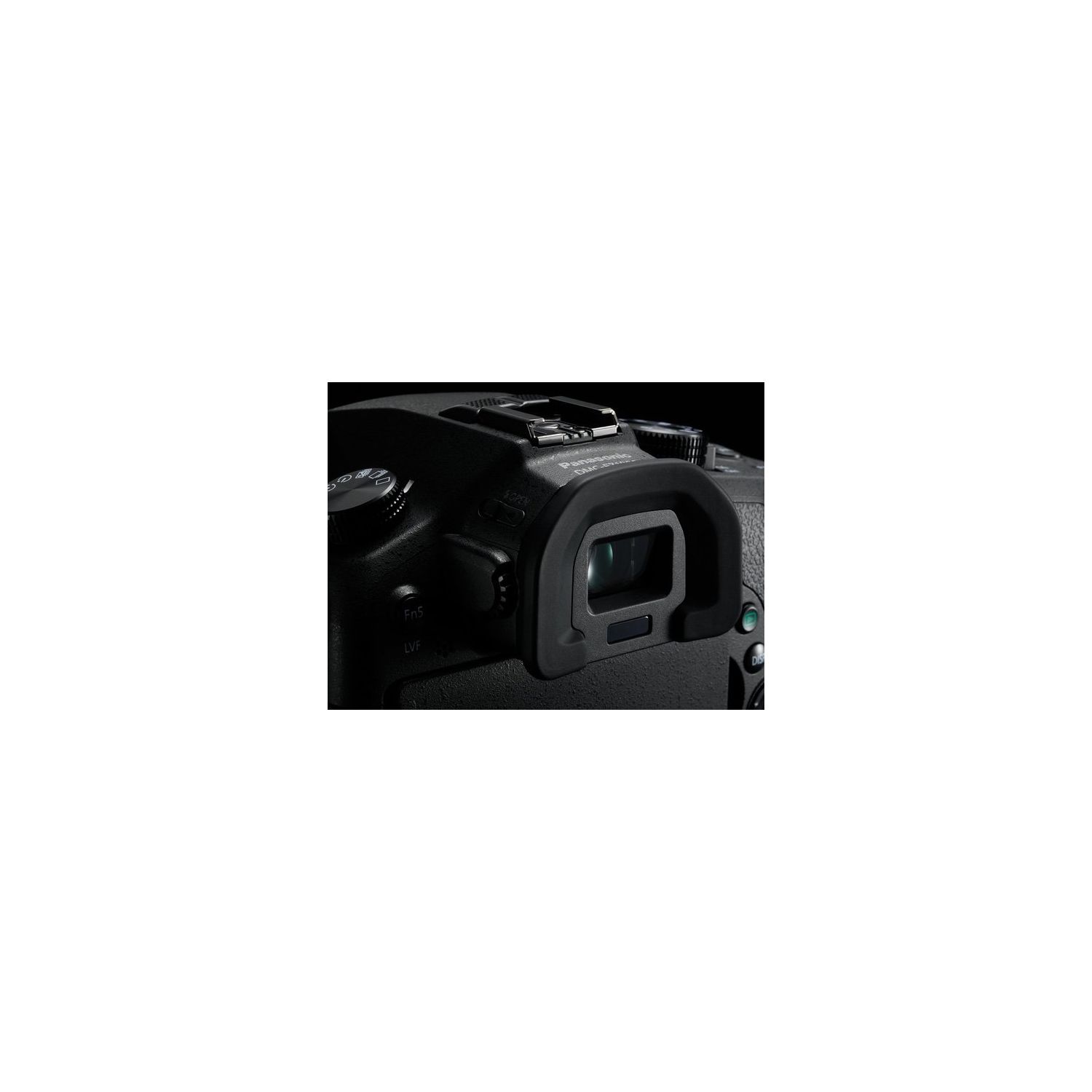
PROS == By far the most important thing that makes me like this camera is the viewfinder, with a large and bright display that provides WYSYWIG when in automatic mode (i.e. what you see is what you get). It is a gianl improvement over LCD monitors, both flip-out and on the back of the camera, for several reasons: First and foremost, I can see with significantly greater clarity through the viewfinder than on an LCD monitor. And... very very crucial .... photography is all about seeing. Second, I find that when I use the viewfinder, the camera is easier to control, because when it is pressed up against my face, my fingers are much closer to the camera than when I am using an LCD monitor. Unlike with an LCD monitor, my fingers are in a constant orientation with respect to the camera, which helps me to better access the controls without having to look at them. Third, I find it easier and faster to navigate menus and to change settings like F-stop and ISO and shutter speed when the camera is pressed against my face. Fourth, very very important, its easier to take photos outdoors with your eye pressed against the viewfinder excluding extraneous light than it is with an LCD monitor, especially under bright sun.. Before closing my comments about the viewfinder versus the flip out LCD monitor, I should note that the flip out on the FZ1000 is nice and flexible -- and remains very useful under certain circumstances -- if you want to shoot from low down in a situation where you dont want to bend, or high up if you are in a crowd or need to see over some other obstacle. But most of the time these days I find myself shooting from the viewfinder, because I can see so much better.. == Excellent performance in indoor photography I originally got this cam because I wanted to take pictures indoors under normal levels of artificial light with ultra rapid focus and exposure control. By "normal levels of artificial light" I mean no light coming in from windows, no special artificial lighting, and no flash. Just the amount of light you would get in a normally lit windowless office or in a living room at night time or in a furniture showroom. This cam is very good at doing this when it is in automatic mode, yielding amazingly good hand held pix in poor light, at incredibly low shutter speeds like a quarter of a second, without a tripod, because of superlatively strong image stabilization, and this happens even at substantial zooms like 200mm. Any camera without image stabilization would be showing huge amounts of blur and shake. And I should add that color balance in low artificial light is good, when in automatic mode. With candid pictures of people under normal living room lighting at night time, the FZ1000 usually does surprisingly well in automatic mode. I was enormously surprised to find that with exposure of one quarter second, most pictures of most people come out quite well, because with most people, there is much less movement than I expected to find - except when the person is speaking or eating. As might be expected, under low light the FZ1000 in automatic mode does not do well in capturing rapidly moving people or other objects. But setting a high shutter speed and a high ISO value this camera copes quite well. Its true that high ISOs make photos more grainy, but in pictures of people its the expression that counts, IMHO. In this regard, shooting in low light, the FZ1000 and FZ200 are about equivalent. == Crisp controls that are not mushy or muddy. == The camera is the result of a collaboration between Leica and Panasonic, and has nearly identical hardware to a Leica V-Lux Type 114 that costs a lot more, though the software is different. == High capacity zoom lens immensely improve the ability to take good pictures, because one can often get closeups of subjects that would be hard or impossible to get close to, and because one has much more flexibility in determining what to include and what to exclude from the picture. On the FZ1000 the 400mm optical zoom magnifies images to eight times a normal 50mm lens and with digital zoom to 1600mm you can get 32 times normal magnification. Picture quality is excellent up to 400, and in my opinion remains quite good at 800mm when theres plenty of light. == Fast focusing and fast determination of exposure settings and almost zero shutter lag, which allows the capturing of fleeting events. == In my opinion feels solid and well built. == Allows me to display live images on a Panasonic Viera TV set via HDMI cable. I dont know whether it will do this on other TVs. This is really helpful for portraits where you want the subject to be able to see their image on a TV screen so that they can adjust their expression. CONS == This camera is a bit of a power hog. If you want to shoot a lot of footage Take several spare batteries with you . I think it gets worse when image stabilization is switched on. == In SCN mode there are far too many presets that differ only by tiny amounts. And one very valuable preset that was in the FZ200 has been deleted, namely the "Through glass" preset, that improved images taken through glass windows. CONCLUSIONS This camera is very flexible and takes excellent pictures in automatic mode in a huge variety of situations. Some folks sneer about "point and shoot" automation, but I really like a well designed automatic mode because it allows me to concentrate on the content of the picture rather than worrying about settings, and lets me grab shots that I would otherwise miss. I think that about 9 times out of 10, automatic mode on this camera does a better job than I would do if I spent time fiddling in manual mode. P.S. I attach a hand held photo of the moon taken with maximum extended zoom of 3200 mm, leaning against a car for the hand held shot. This shot demonstrates the incredibly good image stabilization offered by the FZ1000. This image has had no postprocessing and is not cropped. To achieve maximum zoom, I set Program mode, electronic zoom enabled, picture size of 5MB (and not the 20MB option).
Khiem Do
5
I have 2 dozens cameras, from 4"x5" to pocket compacts. If I can only pick one to carry with me on travels, the FZ1000 will be the one. Actually I did go to Africa with it and leave home my usual assortment of lenses. I took more photos with it than with my full frame because I did not leave it in the hotel room! It has 4k video and an universal lens from WA to telephoto and IQ for my purpose is more than enough. I rarely print in large size but do edit my photos on a 36" 4K screen and in these conditions was pleasantly surprised by the quality even with crops. Of course, every camera has its purpose and I am not getting rid of my other equipment but I wont travel with 2/3 bodies and 4/6 lenses like I used to. Quite a relief!
Londonnoise
5
Id spent a couple of years playing around with interchangeable lens cameras, but realized that I would do nothing but suck down my bank balance if I kept up with that little hobby. I like Lumix cameras a lot, and was looking for a single lens camera that could shoot close ups, but also had a great zoom. I also wanted some video capability. Well, this camera, for me, is incredible. The pictures it shoots (and remember, Im an amateur, for me, Bokeh might as well be an Iranian fish delicacy) are breathtakingly gorgeous, the camera is easy to use and Im having great fun learning all of the advanced features. The big surprise is the 4K video quality, it really is fantastic and has sparked an interest in learning more about making videos, and video editing. This is not a pocket sized camera, but is also not stupidly big (I told you it wasnt a technical review, huh?). Another great fun feature is that you can connect it to your iPhone and use that as a remote control to see through, and operate the camera. I feel like I should give the one con I can, and that is that the lens cap always feels pretty loose on the camera, like it might fall off and allow that lovely lens to be damaged at any moment. Note to self, buy a clear filter, or better lens cap. Ive honestly been thrilled with this thing and its now going everywhere with me. For me, its the ultimate (and god, I hate this word) prosumer camera.
Showing 10 of 13 reviews
Please sign in so that we can notify you about a reply