












Glenn Carpenter
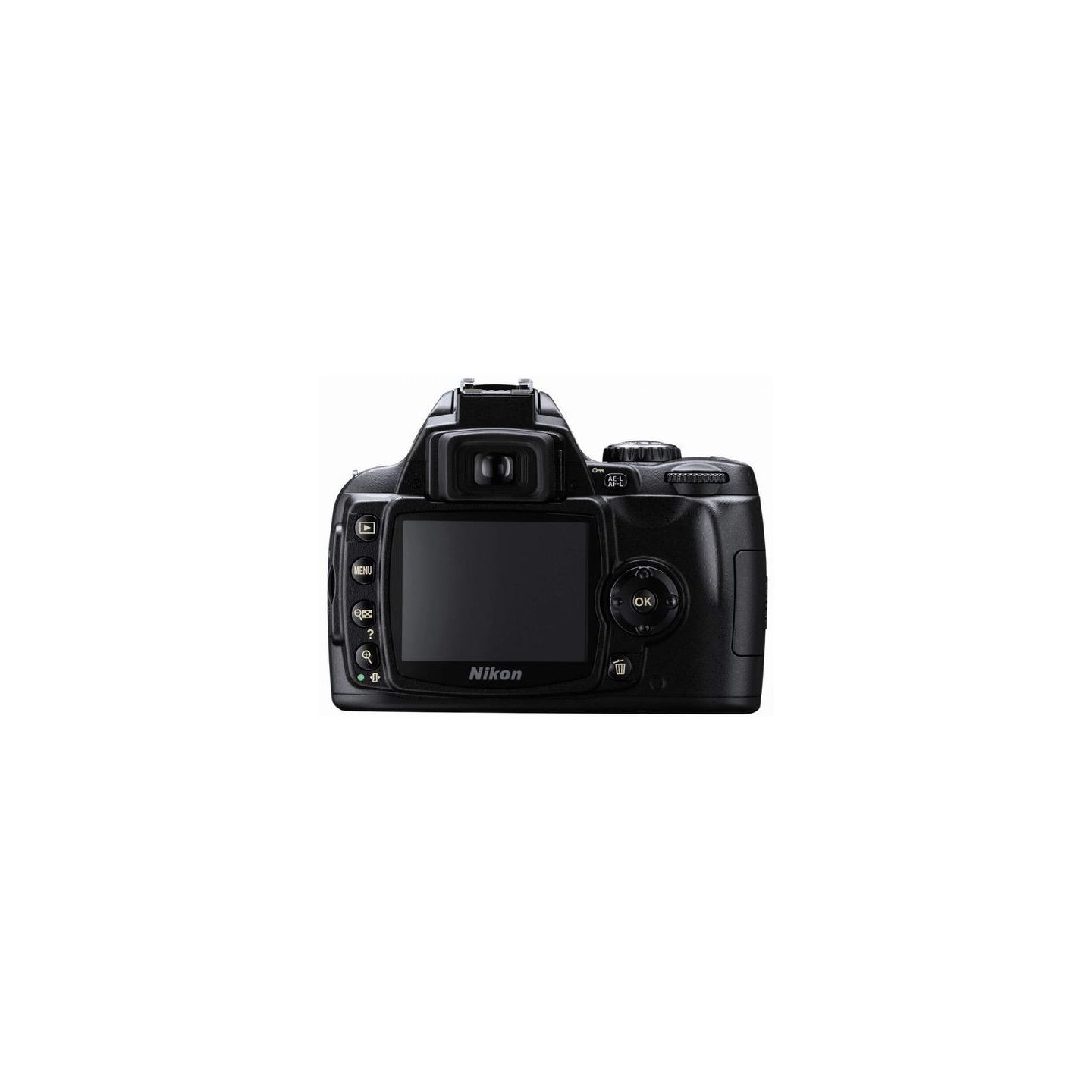
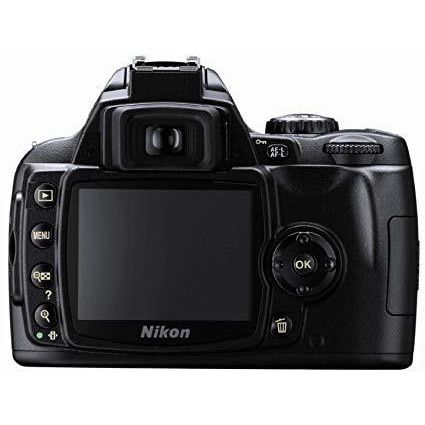
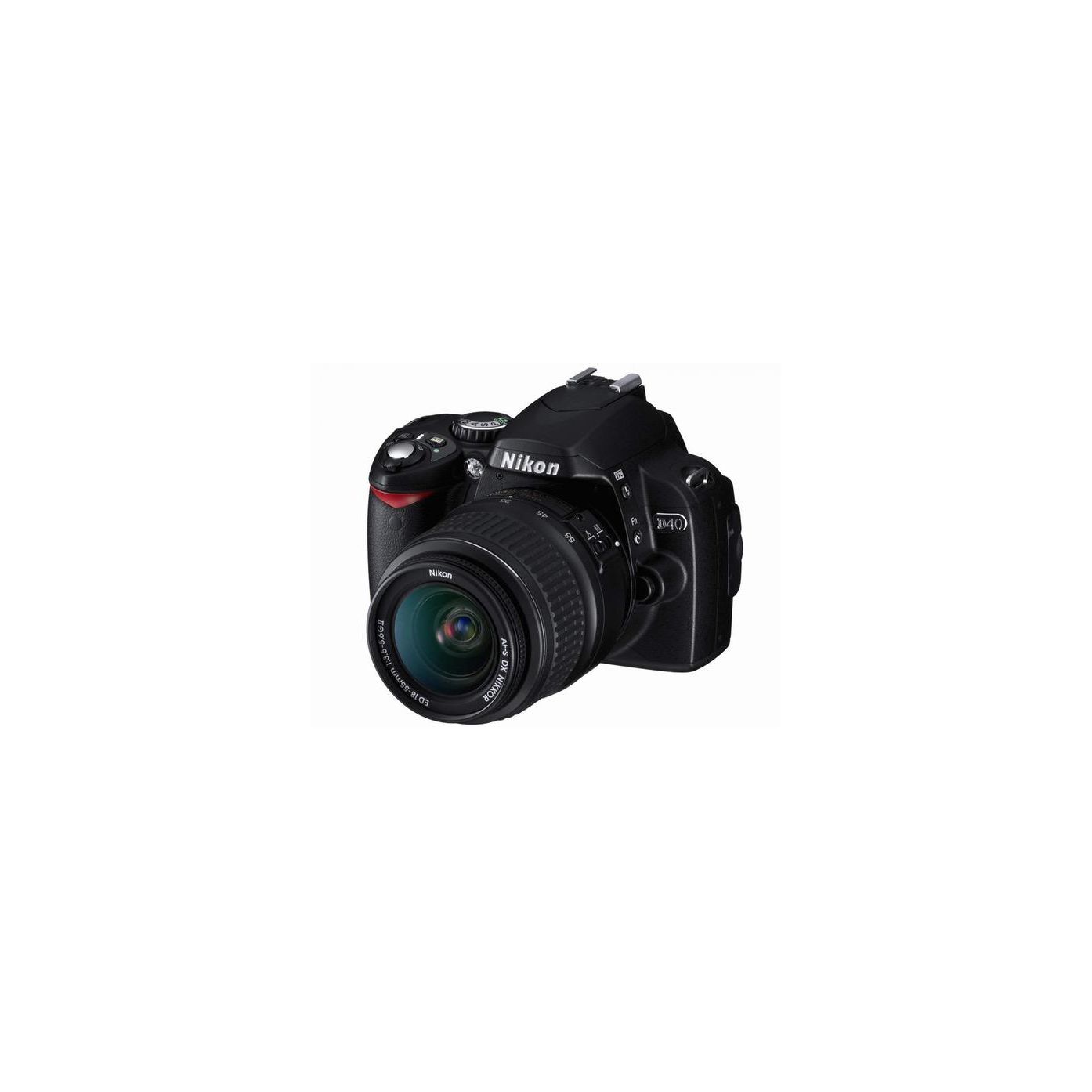
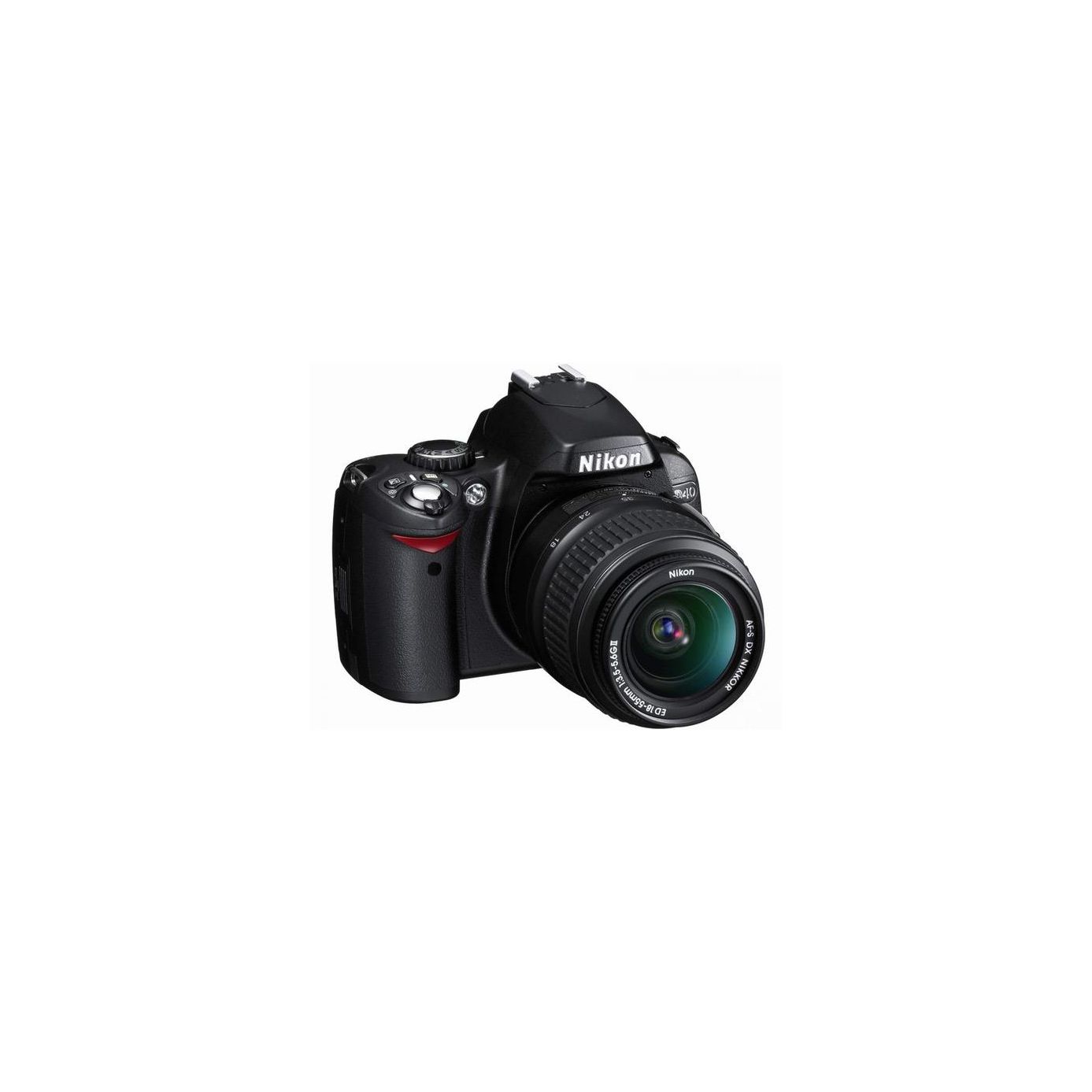
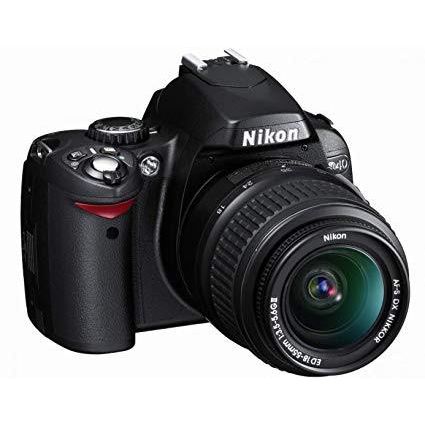
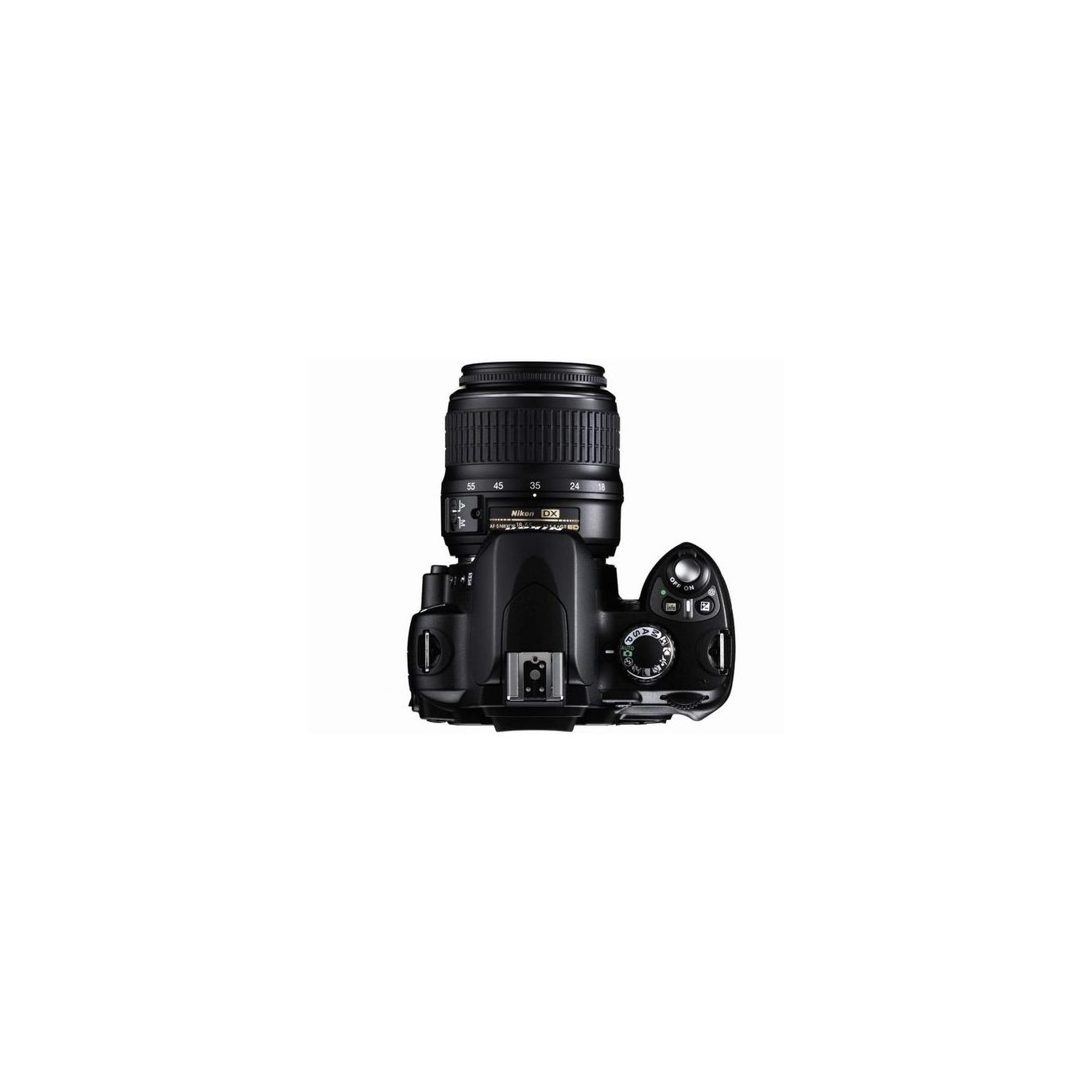
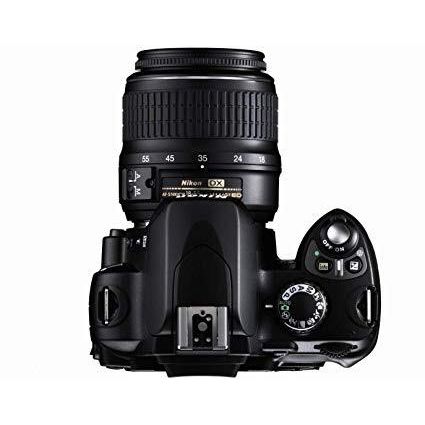
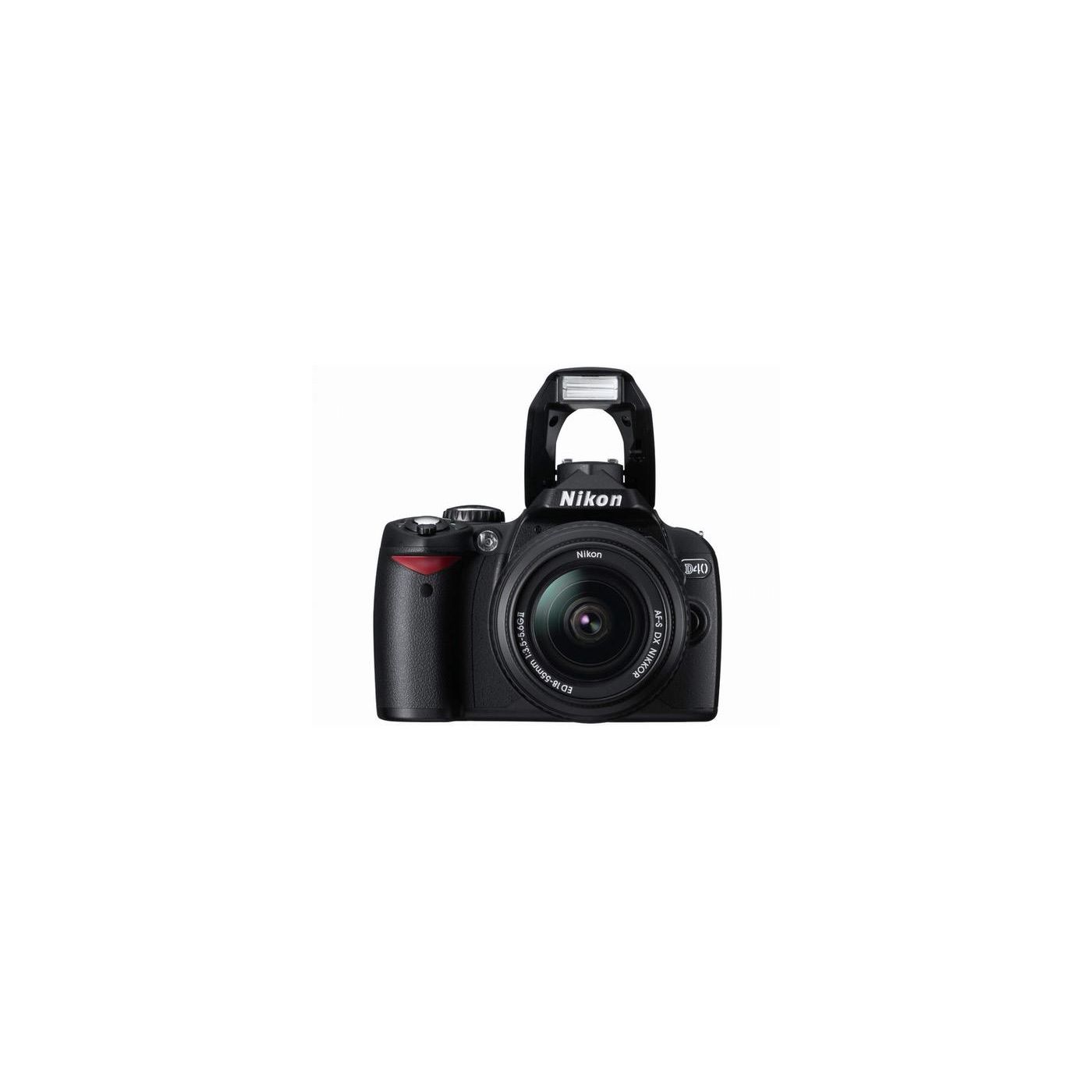
The sheer quantity of excellent reviews already posted here for the D40 would leave me nothing to add were it not for the possibility that my perspective might be useful to a certain subset of possible buyers. I purchased the D40 as a first DSLR, but not as a first SLR. As a former film SLR shooter getting back into SLR photography after a long absence, I was convinced by the many very positive reviews of the D40 that it would provide an excellent entry point. Ken Rockwells rave reviews, in particular, had a strong influence on my decision, as did many of the favorable reviews posted here. In retrospect, for somebody in my position, I think that perhaps some of the D40s positives have been slightly overstated, and some of the negatives slightly understated. I would suggest that any prospective purchasers who feel they might aspire to any level of seriousness in their photography should give careful consideration to whether the D40 will be truly satisfactory to them beyond the short term. In my case I owned the D40 for about a month before deciding that the D90 would have been a better choice. I made the swap and find myself much better off for it. Things to consider: - Every review points out that the D40 can only autofocus using Nikons latest (and most expensive) AF-S lenses. I optimistically underestimated the degree to which this would quickly become a handicap for me. Yes, these are Nikons best lenses, but the reality is that in practice you will be able to do much more, much sooner, at much lower expense, if you are willing and able to use older "D" and "G" type AF lenses along with one or two of the newer AF-S lenses. As one example, perhaps the second or third lens most semi-serious shooters would want to buy for a DSLR is something along the lines of a 50mm f/1.8 prime. Cheap and excellent, Nikons 50/1.8 will immediately give you creative options that dont exist in any AF-S lens, at any price. Other excellent lenses, like the 85mm f/1.4, 85mm f/1.8, 80-200mm f/2.8 zooms, 28-200mm "G" zoom, and various third-party and wide-angle options, either dont exist yet in AF-S form, or cost so much more to buy that a casual hobbyist like myself would have a very hard time justifying the expense. - High ISO (low light) performance. One of the great advantages of digital over film is the improvement in light capture that has come along with it. Low light, hand-held photography can be done now that was really completely impossible just a couple of decades ago. The D40 did not really allow me to experience this benefit as fully as Id expected. I found an ISO setting of 800 on the D40 to be the maximum "good quality" setting, and noticeably less clean than the "base" ISO of 200. My informal impression is that the D90 is between one and two stops better. Combine that with the D90s ability to use faster lenses at lower cost than the D40, and the practical reality is that I can shoot equivalent quality photos in one-quarter to one-eighth the light with the D90 than with the D40. That is a tremendous advantage and much more than I had anticipated prior to owning the two cameras. - Availability of D-Lighting on D90-and-up Nikons. In my admittedly short experience D-Lighting is a feature of such tremendous value that by itself it might be enough to justify the extra expense of the D90. D-Lighting is able to control the contrast between light and dark areas in a scene, which has always been one of the primary difficulties facing any photographer. This feature might be of even more use to a less serious photographer than to a serious one since it will invisibly improve almost any casual picture made under sunlit conditions. On the D90, under harsh sunlight, I set D-Lighting to "Extra-High" and get very useable photos that would be throw-aways with the D40. In most other conditions I leave it turned on but set to "Auto." - The lack of a second (front) control dial. Another surprise for me. One dial, as the D40 has, allows you to quickly set one parameter at a time, such as shutter speed or white balance. Two dials allow you to set two separate, usually related, parameters at once. I didnt realize how great an impact this would have on the cameras overall usability. For example, in setting white balance the rear wheel chooses the white balance preset (auto, sunny, cloudy, etc) while the front trims it (tweaks the basic setting to slightly warmer or cooler, six steps each way). Or, during image review the front wheel changes to the previous or next image, while the front wheel changes the display (one click to the right for an rgb-histogram, for example, then one click back to the left to return to the full-sized image). In almost every setting, display and shooting mode the second wheel adds significant flexibility and speed to the cameras handling. - 6mp sensor. It is true, without a doubt, that excellent photos of almost any kind can be made with a 6mp sensor. I am happy with 6mp for 90% of my photograhy. However, I still found the jump to 12mp beneficial. One thing to keep in mind is that the flaws inherent in every part of the image capture and reproduction process add to one another, each only subtly, but the additive effect of cumulative imperfections makes all the difference in the quality of the eventual reproduced image. Although its impossible to quantify, going from a 6mp to a 12mp sensor might be the equivalent of going from a good to an excellent lens, while at the same time raising the limits of what the excellent lens can produce. It is also much cheaper than the difference in cost between, say, a full complement of good, "consumer" lenses and first-rate "pro" lenses. The bottom line is that each step in the process is important and each step varies from perfection. Doubling the actual resolution with which the image is captured is worthwhile, and worth paying for. By contrast there are a couple of features the D40 has that I miss on the D90. The most important is the D40s fast 1/500 flash sync speed, which makes it possible to use fill flash with larger apertures under brighter conditions, and to extend maximum flash range under many conditions. The D90 makes me choose between depth-of-field-isolation and fill flash when conditions are bright as I cant get both. Less important but also helpful is the D40s ability to be set so that the rear screen automatically comes on between shots. Simply tap the shutter (to wake the camera or cancel the review of the previous image, if active) and the display shows you all the cameras vital settings at the same time in one place, and lets you change most of them with just a couple more button-pushes. It is very intuitive and quick to use, and I wish the D90 had it. In most regards I found the D40 to be a superb camera and every bit (more, really) as good as I had been led to expect. It feels wonderful to use and it makes excellent photos, or at least is capable of it (the rest being up to the user.) If it were not for the lack of a focus motor on the D40, I would still recommend it highly for even aspiring serious SLR users, as the other factors can all be worked around or are only of importance under certain conditions. However, the reality for any photographer serious enough to eventually acquire a variety of lenses is that, by the time they buy their third or fourth lens for the D40 they will have spent as much or more on their equipment than they would have had they started one rung up with a D90. Viewed from this perspective, the various functional advantages of the D90 come essentially without cost even though they do, at least for me, add significant value. For casual photographers who will be satisfied with one or two lenses, or for more serious photographers looking for a second, lighter camera for part-time use, the D40 represents an excellent value and would be in my view a five-star camera. For people on a strict budget who are willing to wait patiently for the functionality that will come from additional lenses, the D40 could also be an excellent (and perhaps only) choice. Only people looking at the D40 as an entry point to an eventual comprehensive collection of SLR gear need to consider whether the D40s disadvantages outweigh its lower cost. These people might find themselves, as I did, better off paying more from the start for something along the lines of a D90 - or, alternatively, considering an older used D80/200, etc. as their entry point instead. Yes, the D40 is an upgrade compared to those cameras in some ways, but with a used D80 you can start getting the lenses you want right from the beginning, then upgrade the camera later.