












Mike
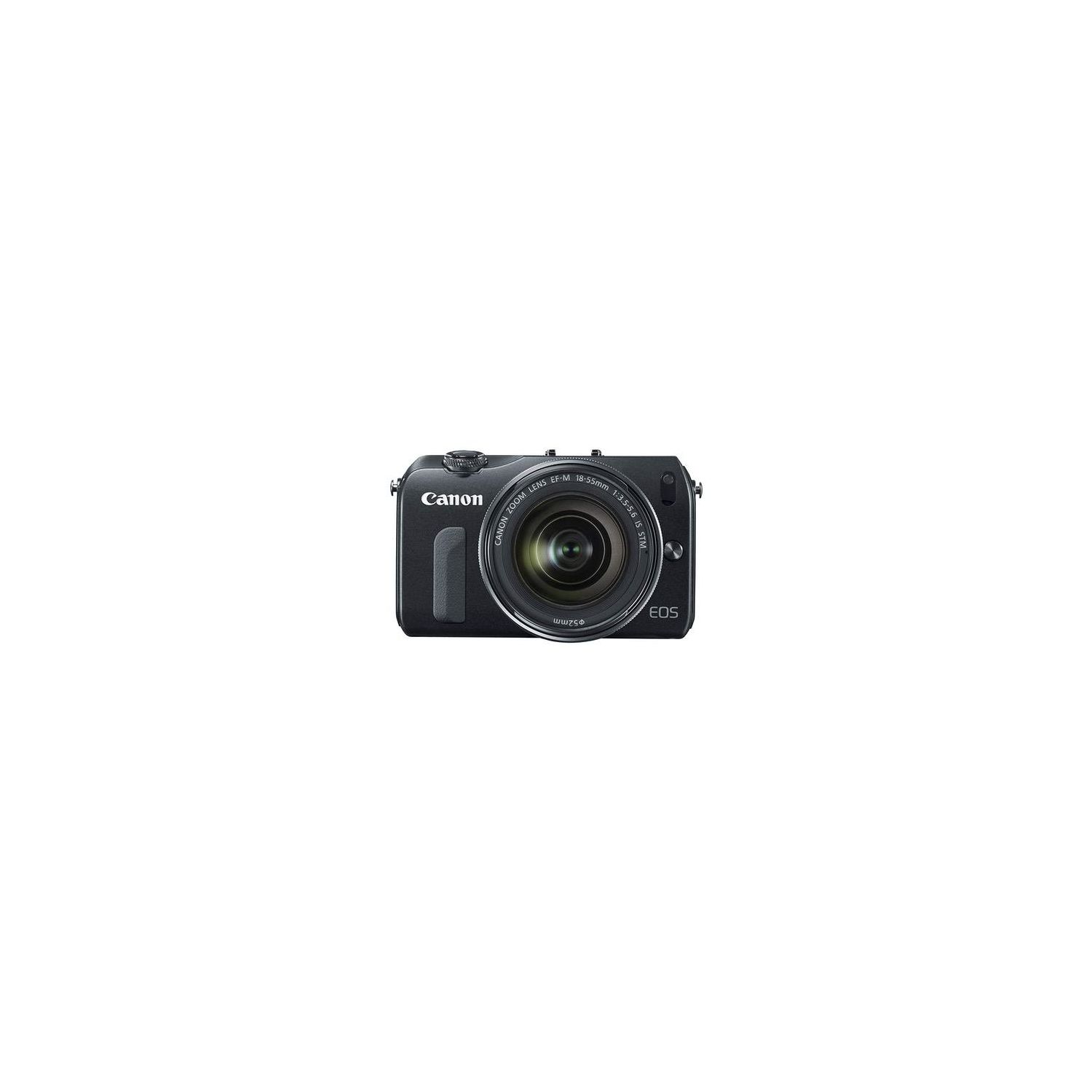
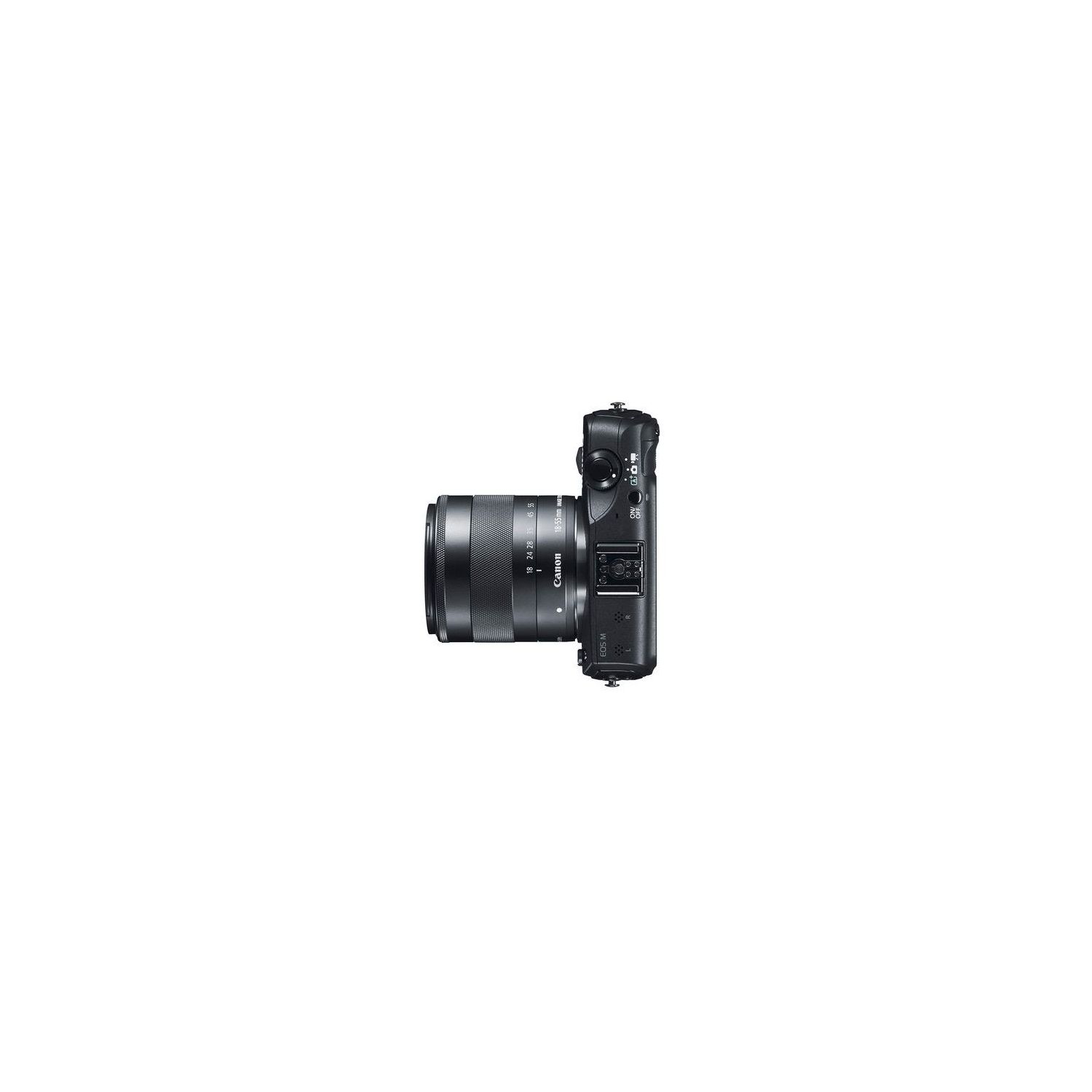
I am writing this review from the perspective of an enthusiast who was looking to upgrade from point-and-shoot cameras (Canon G-Series for serious shots and a Canon ELPH for pocketable convenience) to something with a larger sensor and better lenses. I started my research pretty convinced about upgrading to a DSLR (preferably a 60D); however, I ultimately decided on the EOS M for a couple reasons: 1) The majority of my photos are taken while hiking/backpacking. I just couldnt reconcile the fact that I would have to lug around such a heavy and large camera in my backpack just so I could take better quality photos. 2) All the negativity around the EOS M not physically performing on par with DSLRs seemed to really knock down its price to the point where it is now (August 2013) a steal at almost $300 less than the Canon EOS Rebel T3i (with 18-55mm lens) and around $500 less than the 60D. With that said, you now know the perspective from which I am approaching this review, so here are my opinion of its positives and negatives after about 200 test shots in various conditions: POSITIVES + ----------------- 1) Image quality is far superior to my existing point-and-shoots. Thats enough to make me happy. 2) The lens and body feel solid and are constructed of mostly metal. The kit lenses with the Rebels feel much more cheaply constructed (plasticy) than the EF-M 18-55mm included with the EOS M. 3) The touchscreen is nice. Using the touchscreen seems quicker than navigating the menus using the buttons/dial--probably because youre able to jump to things without having to press directional buttons/dial until you arrive at an item to select. 4) EXCELLENT IMAGE QUALITY--its worth repeating this one because its all that really matters. ============================================== NEGATIVES - ------------------ 1) The battery life is very bad. I couldnt believe how quickly I was able to drain the battery. Of course, the battery drained quicker than usual this time because I have spent so much time navigating through the menus and testing things, but it still was very disappointing despite going into this purchase knowing that short battery life was an issue. 2) I feel that the camera is awkward to hold when affixed with the 18-55mm lens. (I have not tried the 22mm lens.) I feel like I could drop it very easily unless I have my left hand underneath the lens to support the weight. It feels a bit front-heavy. And with so much touchscreen interaction necessary, sometimes theres no choice but to use that left hand for some of it. 3) The lack of physical buttons is a bit annoying. Things are easy enough to handle through the LCD screen, but I like to be able to change some settings very quickly--sometimes without even having to look back at the LCD screen. Physical buttons are really the only way to be able to accomplish that with an acceptable degree of success. I prefer to have options such as the main shooting modes (P, Tv, Av, etc.) and metering method (spot, center-weighted, evaluative, etc.) accessible by physical buttons/dials. 4) The different-style strap connection seems like a good idea, except the tiny piece that locks the strap to the camera is made of plastic! Im sure itll work fine, but it does not inspire confidence. I find myself keeping one hand on the camera at all times, just in case. ====================================== A few other comments... *The autofocus speed and accuracy is fine from my perspective. Its at least as fast as the point-and-shoot cameras I am upgrading from. (My EOS M did come installed with the 2.0.2 firmware.) *I would have loved the experience of using a proper pentaprism optical viewfinder like the one on the Canon EOS 60D, but Ive spent the last decade or so using LCD screens exclusively, so Im not put-off by the lack of a viewfinder. *I love Canons articulating LCD screens. The fact that this camera did not have one was almost a deal-breaker for me. I like to take a lot of shots from a lower-than-eye-level perspective. I guess Ill have to actually kneel down now. Boo. *It would have been to nice to have even a terrible built-in flash. I dont use a flash often because I normally shoot landscapes, but every now and then Im photographing a nice sunset with maybe some flowers or other foliage in the foreground that could use a splash of light to make the shot special. Maybe Ill see if I can pick up a used flash to attach someday. *Why doesnt Canon put intervalometer software on their cameras for use in time-lapse photography? It seems like such a simple application to include (and, in fact, can be added to some non-EOS Canons via freely available hack software) In summary, there are certainly some annoying quirks related to the functionality of this camera, but the important things are the lens and the sensor, and, therefore, the image quality. Its a small, lightweight (and, now, relatively inexpensive) way to significantly bump up your image quality without having to lug around a camera that, quite frankly, wouldnt even really fit inside my day-hike backpack. I think the Canon EOS M is a (nearly) perfect option for the enthusiast looking to upgrade from a small sensor point-and-shoot who values compactness over DSLR-level physical performance .